
Shawna Pandya
FI’19 – Astrophysician
Where humans go, medicine must follow
Dr. Shawna Pandya is a physician, aquanaut, skydiver, pilot-in-training, VP of Immersive Medicine with Luxsonic Technologies, director of medical research at Orbital Assembly Corporation and podcast host with World Extreme Medicine (WEM). She is a graduate of the scientist/astronaut candidate program at International Institute for Astronautical Sciences (IIAS)/Project PoSSUM, Director of IIAS Space Medicine Group and Chief Instructor for IIAS’ Operational Space Medicine course. Dr. Pandya was on the first crew to test a commercial spacesuit in zero gravity in 2015. She earned her aquanaut designation during the 2019 Nautical Experiments in Physiology, Technologym and Underwater Exploration (NEPTUNE) mission.
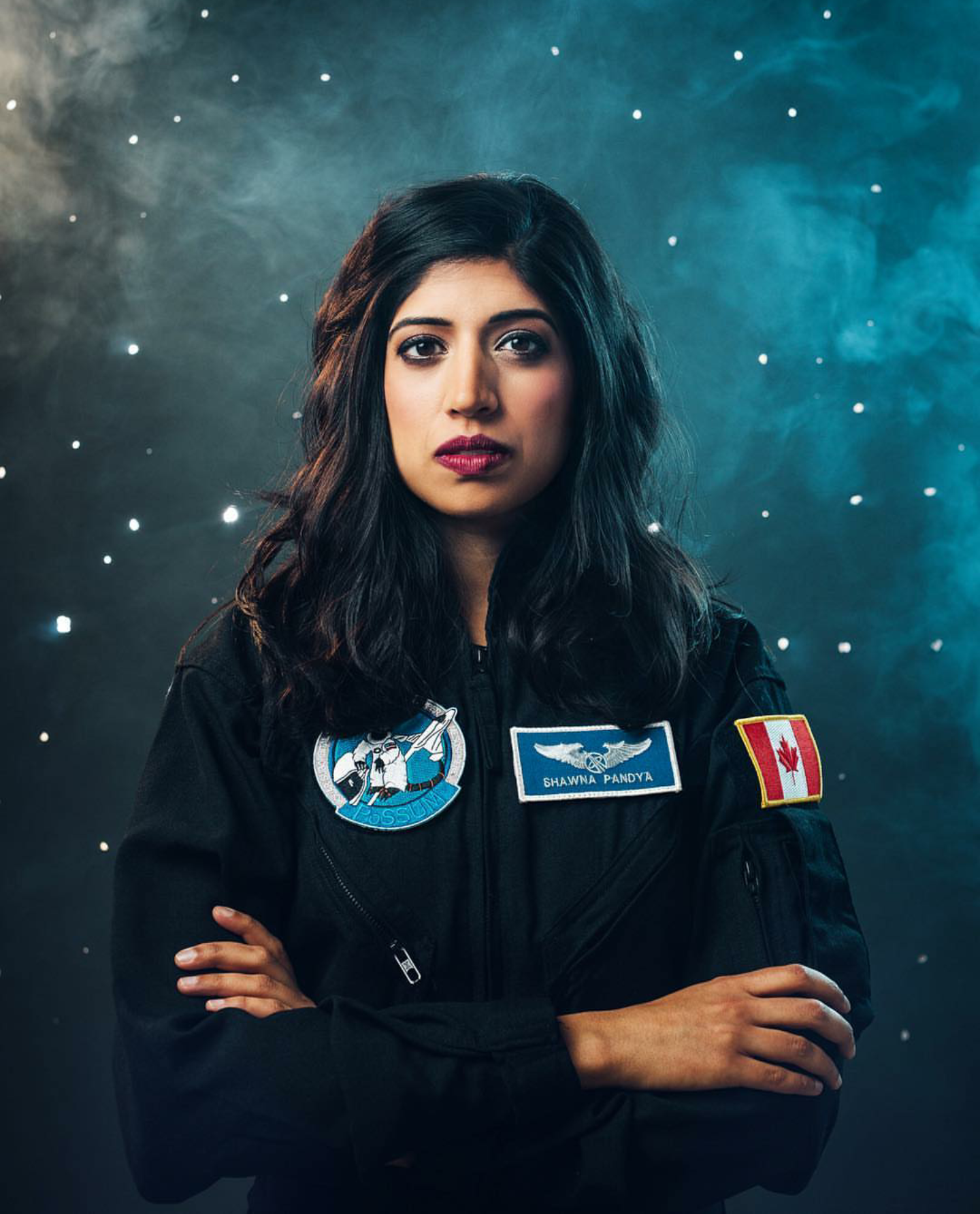

The mantra of WEM is where humans go, medicine must follow. It rings particularly true when referring to space medicine. It is no exaggeration to say that the innumerable hazards of the spaceflight environment, including radiation, microgravity, isolation, confinement and much more, are trying to kill you. Added to that, space medicine has been around for only 60 years and is continually evolving—from immediate concerns like deconditioning in microgravity to longer term questions like how to address reproduction in space. My publications, expeditions, testing, technology development, and concepts for future medical architectures are but small contributions to a rapidly evolving field. My hope is that future space medicine practitioners and researchers will look back at my work as a small part of the foundational fabric for medicine on the Moon, Mars and beyond.


“My hope is that future space medicine practitioners and researchers will look back at my work as a small part of the foundational fabric for medicine on the Moon, Mars and beyond.”

I lend my knowledge base and experience to co-developing and deploying immersive technologies such as virtual reality and 360° video for medical skills development in space and on Earth. I also have the good fortune of being an architect and foundational voice for a future medical infrastructure on the world’s first artificial gravity space station.
Growing up in an era when Canada’s first female astronaut, Dr. Roberta Bondar, flew in space was tremendously inspiring to me. I thought, she is a Canadian and a female like me. So, all I need to do is go become a neuroscientist, physician and then an astronaut, just like her. This is what inspired me to pursue neuroscience, medicine, and masters studies at the International Space University.


